Short answer
Replacement windows run about $700 to $2,200 per opening installed across North Georgia, and that figure covers the unit, the labor, the sealing, the trim and the cleanup. A whole-house project lands where it lands based on how many openings you have, how big they are, and what the crew finds when the old units come out. The two things that move a North Georgia quote most are the number of large or shaped openings and whether the frames can take an insert or need full-frame replacement.
Replacement windows run about $700 to $2,200 per opening installed across North Georgia. That number is the complete number for one window — the unit, the labor, the sealing, the trim and the cleanup — not a product price you add installation to later.
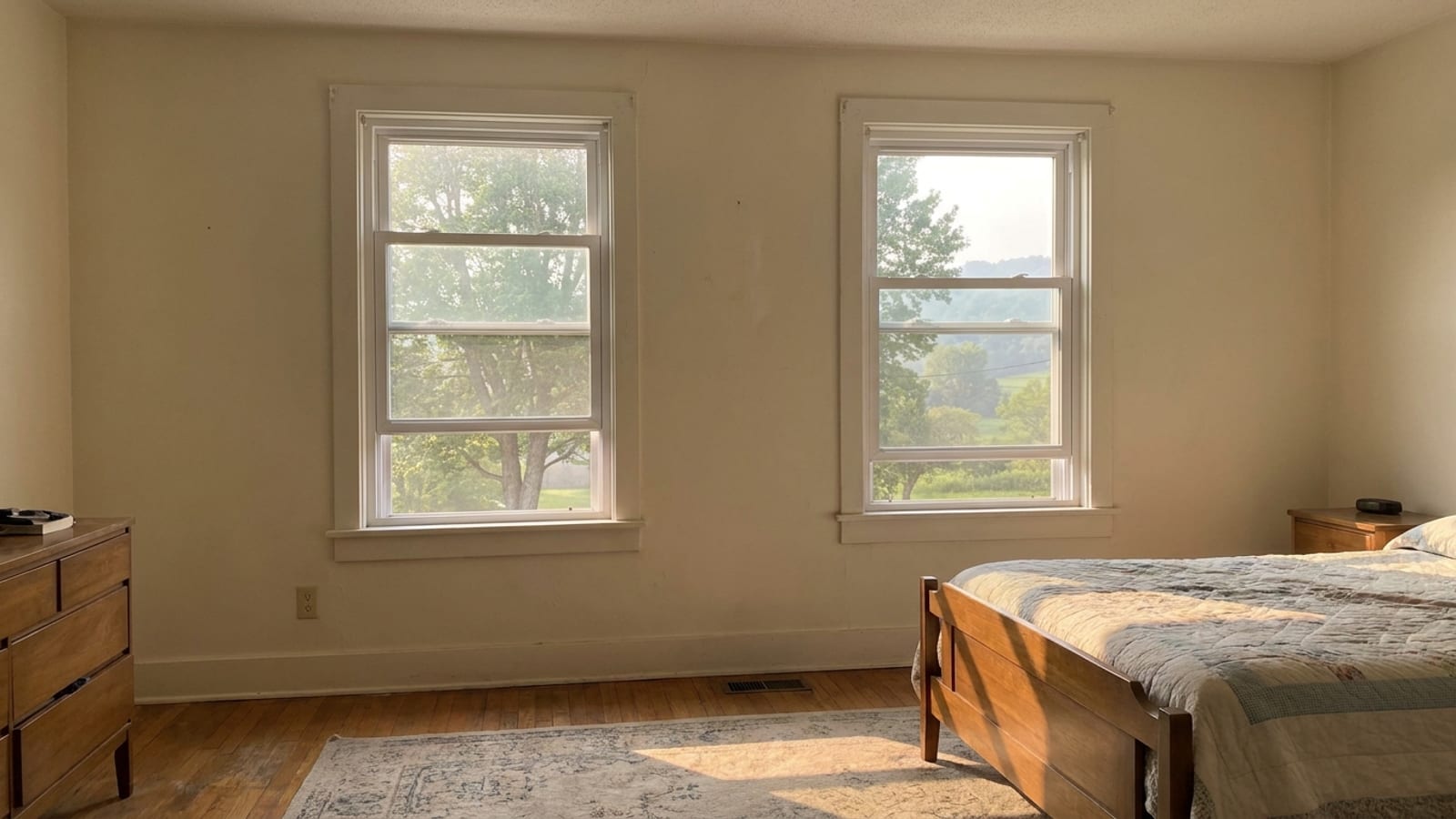
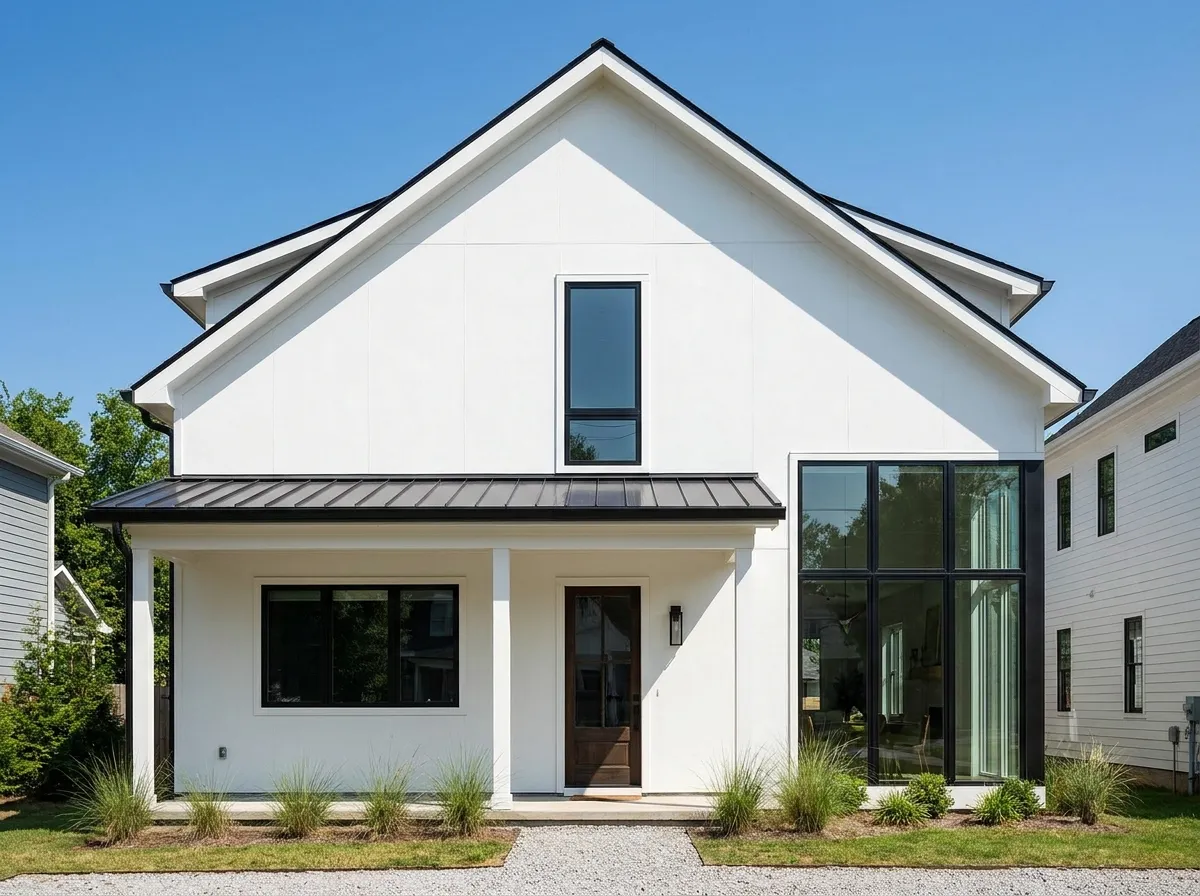
The range is wide because "a window" is not one thing. A standard double-hung in a sound frame in a Ringgold ranch and a tall shaped unit over a stairwell in a Dalton two-story are both one window on a count sheet and nowhere near the same price on a quote.
What moves the number on a North Georgia house?
Seven things, and most quotes are decided by two or three of them.
| Cost driver | Effect on price | Why |
|---|---|---|
| Size of the opening | High | Bigger glass costs more and takes more hands to set |
| Style and shape | High | Double-hung and slider are the value styles; casement, bay, arched and Palladian cost more |
| Frame material | High | Vinyl is the value answer; composite and fiberglass run more per window |
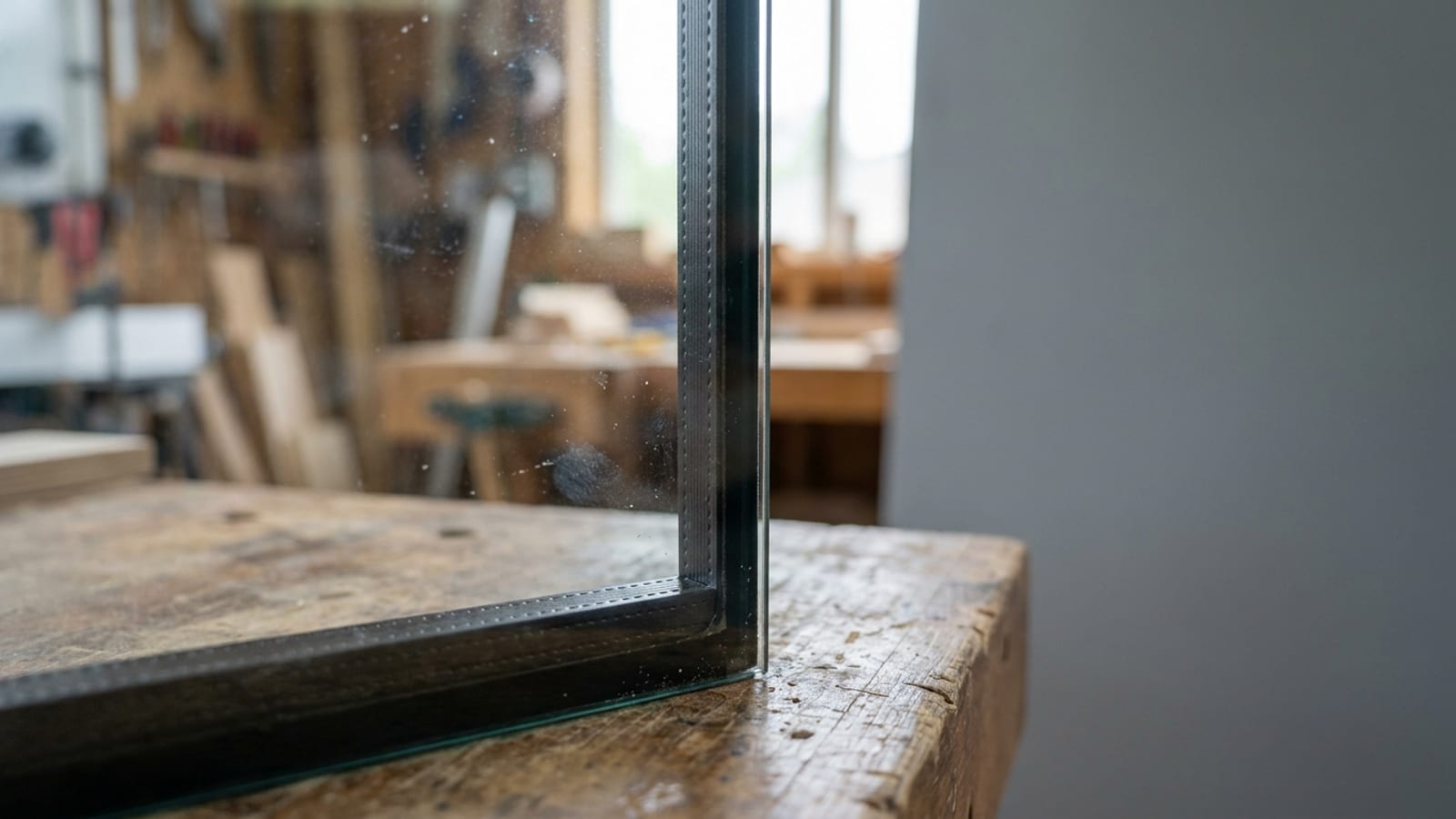
| Glass package | Moderate | Low-E coating, argon fill and a warm-edge spacer are worth the money here |
| Insert vs full-frame | Moderate to high | Full-frame typically adds several hundred dollars per opening |
| Access | Moderate | Second-story, over-roof and steep-grade openings take longer |
| Condition on tear-out | Varies | Rotted sills or out-of-square frames need repair first |
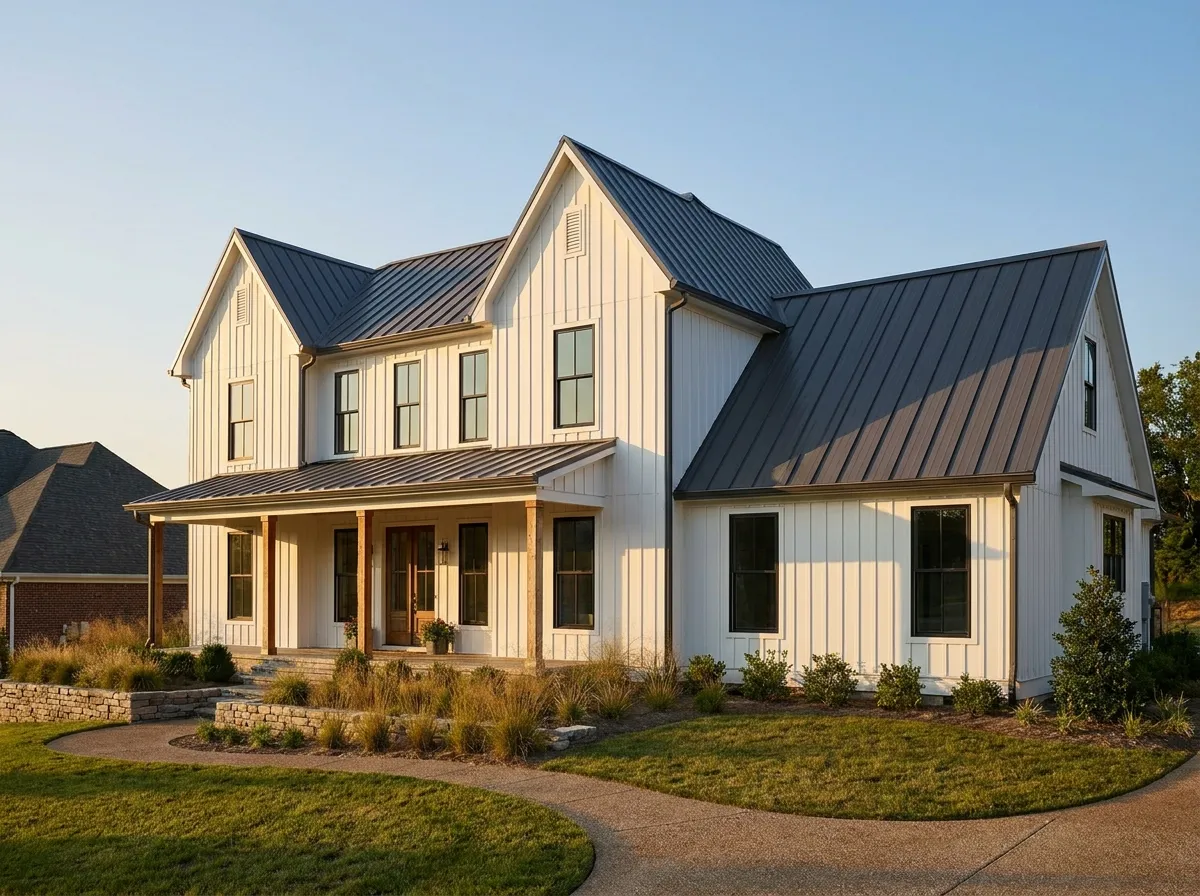
The housing stock in this corridor is genuinely varied, and that shows up in quotes. The brick ranches through Catoosa and Walker counties tend to have consistent standard openings, which keeps the average per-window number low. Older mill-town homes around Dalton, Rome and Summerville often have taller original openings, more of them, and frames worth a close look before anyone assumes an insert. Newer subdivision homes near Ringgold and Cartersville usually have builder-grade units that come out easily but include a few large fixed or transom openings that price at the top of the range.
How does per-window turn into a whole-house total?
Straight arithmetic on the published range, before any repair scope:
| Openings | At the low end | At the high end |
|---|---|---|
| 8 windows | about $5,600 | about $17,600 |
| 12 windows | about $8,400 | about $26,400 |
| 15 windows | about $10,500 | about $33,000 |
| 20 windows | about $14,000 | about $44,000 |
Those outer columns are extremes rather than likely outcomes. Real projects land between them, because a house is a mix of easy and hard openings and because most homeowners choose vinyl for the majority of the house and spend the difference on the glass.
What does "installed" include?
When we quote replacement windows, the per-opening price covers the whole sequence:
- The window itself — frame, sash, hardware, screen and the glass package specified for that elevation.
- Removing the old unit and hauling it away.
- Setting, shimming and squaring the new window so it operates correctly for its whole life.
- Insulating and air-sealing the perimeter.
- Exterior sealing and trim, including capping or wrapping where the detail calls for it.
- Interior finish work — stops, jamb extensions or casing depending on the method.
- Cleanup and a final walk-through before the crew leaves.
That matters when you compare quotes. A lower number is sometimes lower because disposal, trim or interior finish sits outside it. Ask what the price includes before you compare totals.
What glass should a North Georgia house have?
The whole region — Southeast Tennessee, North Georgia and Northeast Alabama — sits in the ENERGY STAR South-Central climate zone. A qualifying window here needs a U-factor of 0.28 or lower and a solar heat gain coefficient of 0.23 or lower.
SHGC is the number that matters most in this market, because our load is cooling rather than heating. It measures how much solar heat passes through the glass, and a lower number blocks more. A west-facing living room that nobody can use at five in the afternoon in July is a solar heat gain problem, and the fix is the coating on the glass rather than a bigger window or a stronger air conditioner. That is why we spec glass by elevation instead of putting the same unit on all four sides of a house.
Triple-pane is available on request and we do not recommend it as a default here. Its returns are strongest in heating-dominated northern climates. In this zone the same money spent on a better low-E coating, argon fill and a warm-edge spacer returns more.
Insert or full-frame?
This is the single biggest swing inside a quote, and it is why two estimates for the same house can differ by thousands.
An insert replacement drops a new window into the existing frame, and it is correct when the frame is sound and square. Full-frame removes everything down to the rough opening, and it is required when the sill or frame is rotted, when the opening is out of square, when there is a history of water intrusion, or when you are recovering glass area lost to old aluminum frames.
Many houses correctly get a mix. A good quote says which method applies to which opening rather than assuming one for the whole house — and a quote that assumes inserts everywhere will always look cheaper than one that prices full-frame where the frames actually need it.
Do permits apply?
Usually yes for replacement work, and the requirements vary across the counties in this corridor, so your city or county building department has the final word. The two rules that most often affect a replacement are egress minimums for bedroom windows and safety glazing near doors, tubs, showers and stair landings. When a project requires a permit we pull it through your local building department as part of full service.
How do homeowners pay for it?
Some pay outright. Many use GreenSky financing, which includes no-interest options if paid in full within 6, 15 or 18 months and fixed-rate terms starting at 6.99% APR for 60 months, running as long as 144 months. Zero down is available for most approved homeowners, subject to credit approval.
There is no federal tax credit for windows placed in service in 2026. The Energy Efficient Home Improvement Credit was terminated for property placed in service after December 31, 2025. Anyone still building a 30% federal credit into your budget is working from outdated information.
Phasing is a legitimate plan if the whole house at once is more than you want to take on. Do the worst elevation first — usually the west or south side, or wherever the fogged and stuck units are — and come back for the rest. Have the whole house measured at once so the product line and glass package match later.
What we install is covered in writing under The Patriot's Promise — lifetime material and labor coverage, transferable once and prorated after that, with $2M insurance on every job.
What is the next step?
A real number requires someone measuring your actual openings and looking at your actual frames. At a free in-home estimate the estimator measures every opening, shows you the product, and gives you one itemized price with the install method and glass package spelled out per window. There is no trip charge anywhere in North Georgia, including Dalton and Ringgold.
When you want your number, request a free estimate or call (423) 830-7138.