Short answer
In metro Atlanta, replacement windows run about $700 to $2,200 per window installed. The large 1970s-through-1990s subdivision stock across Cobb, Cherokee and Gwinnett counties is the most common project we price, and those homes usually land between $11,000 and $22,000 for a whole-house replacement because they have a lot of openings and many still carry original aluminum-frame units.
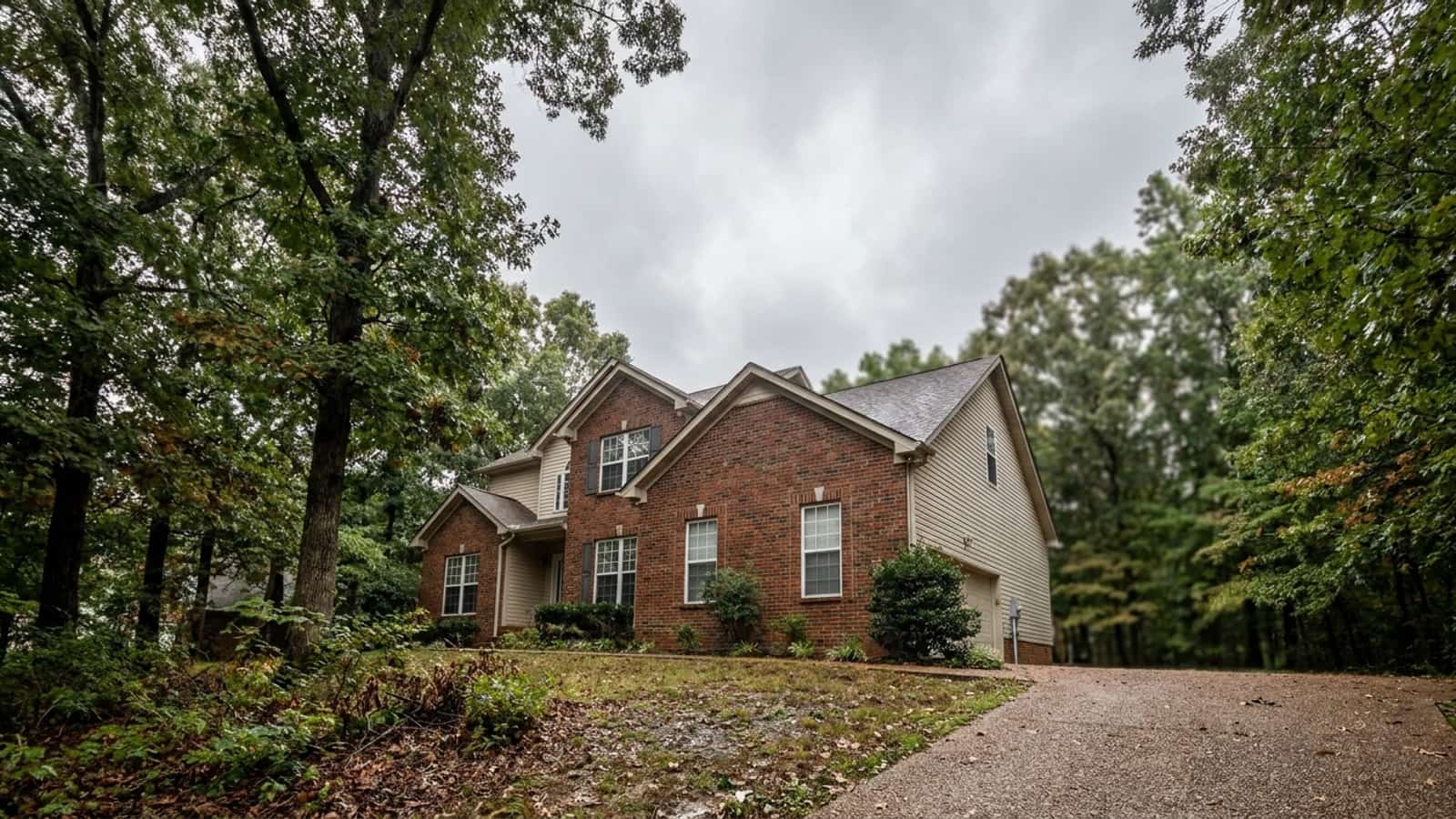
Metro Atlanta has a very particular housing stock, and it changes what window work costs here. Below is what to expect.
The per-window numbers
Installed replacement windows in metro Atlanta run about $700 to $2,200 each, same broad range as the rest of our territory. Where Atlanta differs is the mix — this market skews toward houses with a lot of openings.
| Home type | Typical window count | Typical project total |
|---|---|---|
| 1970s–80s ranch | 10 – 14 | $8,000 – $16,000 |
| 1980s–90s two-story subdivision | 16 – 24 | $12,000 – $26,000 |
| Newer build (2000s+) | 14 – 20 | $11,000 – $24,000 |
| In-town bungalow or historic | 8 – 14 | $9,000 – $22,000 |
Those totals assume a like-for-like replacement with an insulated vinyl or fiberglass unit. Custom shapes, transoms and two-story installs that need staging push higher.
What's specific to this market
Original aluminum frames
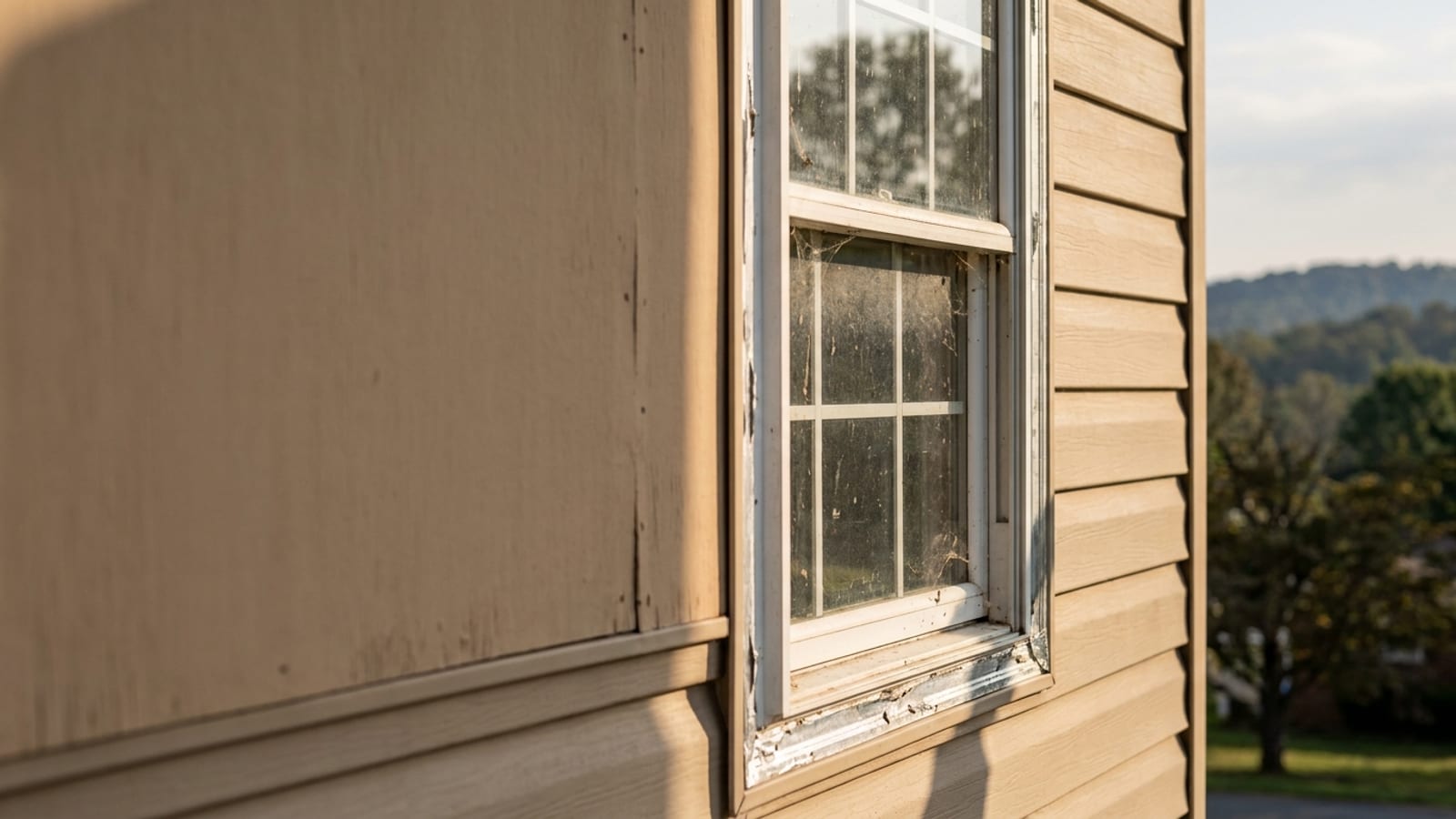
An enormous share of metro Atlanta housing built before the mid-1990s still has single-pane aluminum windows, or an early vinyl replacement that has since failed. Aluminum is a thermal bridge — the frame itself conducts heat, which is why those windows drip condensation in January and radiate heat in July.
If that's what you have, replacement is the single most noticeable comfort upgrade available to your house. It's also the easiest quote to justify: you're not fine-tuning an efficient window, you're removing a hole in the wall.
Two-story elevations
A lot of the subdivision stock is two-story with tall rear elevations. Upper-floor openings need staging or ladder work, and that's real labor. When you compare quotes, check whether the second floor is priced the same as the first — sometimes it isn't, and sometimes the difference is buried.
Heat, not cold, is the design problem
North Georgia summers are the load that matters. That means the number to look at is SHGC — solar heat gain coefficient — not just U-factor. A lower SHGC blocks more solar heat. For west- and south-facing elevations here, that number does more for your comfort and your power bill than another fraction of a point of insulation value.
We spec glass by elevation for exactly this reason.
The federal tax credit is gone
Worth saying plainly because a lot of Atlanta contractors are still quoting it: the federal Energy Efficient Home Improvement Credit (25C) was terminated for property placed in service after December 31, 2025.
Windows installed in 2025 or earlier may still be claimable on that year's return — talk to your tax advisor. Anything installed now, budget without it. If a salesperson tells you a 30% federal credit will come back on this year's project, that is not accurate.
Comparing Atlanta quotes without getting fooled
Ask every company the same five questions:
- Insert or full-frame? These are different jobs at different prices. Make sure you're comparing the same one.
- Which product line, by name? "Premium vinyl" is not an answer.
- What's the SHGC on the glass? If they don't know, that tells you something.
- Employees or subs on the install? Neither is automatically wrong — but the warranty answer depends on it.
- Does the warranty cover labor? A lifetime material warranty with a one-year labor warranty is a much weaker promise than it sounds.
Ways to phase it
If the whole house isn't in the budget this year:
- Start with west and south elevations. That's where the afternoon load is.
- Then any window that's fogged between the panes — the seal has already failed, so it's doing nothing.
- Then the rest, by room, worst first.
Financing is zero down for most approved homeowners, with no interest if paid inside 6 to 18 months, or fixed 6.99% up to 60 months. That's often a better route than buying a cheaper window you'll want to replace again.
Get a real number
We'll come measure, look at your frames, and give you one itemized price with a start date. It's free, it takes about an hour, and it is a sales appointment — but it's not a two-hour presentation and we don't need an answer that night.
Request your free estimate and we'll get you on the schedule.