Short answer
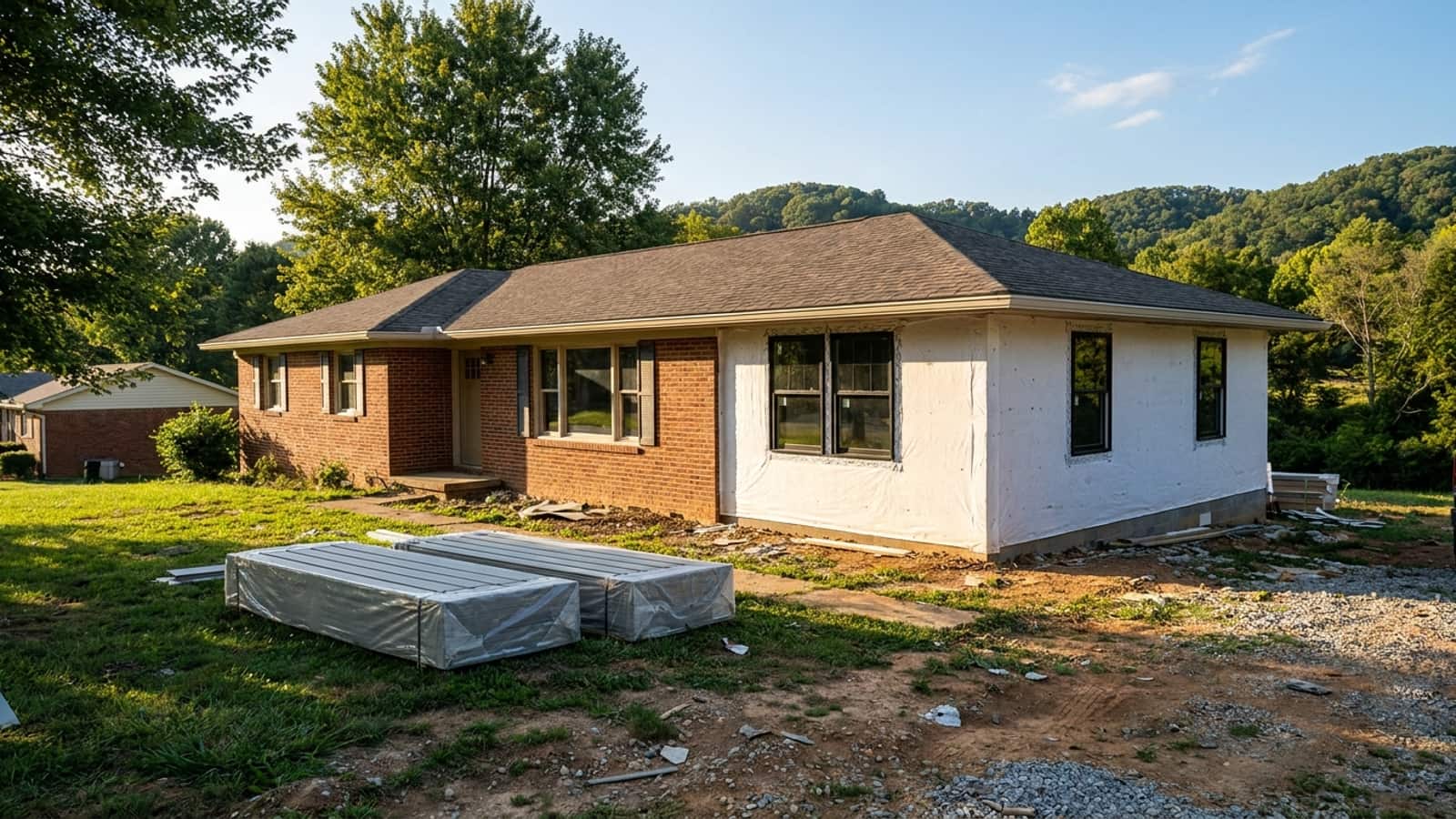
A typical whole-house window installation takes one to two days for 12-18 windows. Each opening runs 30-60 minutes for an insert replacement, or 2-4 hours for full-frame. You'll need clear access three feet inside and outside each window, and someone home to walk the job at the end. The house stays livable throughout — crews work opening by opening and never leave a hole overnight.
Most homeowners have never watched a window get installed, so the day itself is the part nobody explains. Here's the whole sequence.
Before the day
Measurement and ordering
After you sign, we come back and take final measurements at every opening. This is not the same as the estimate measurement — it's the one the order is built from, and it's why there's a gap between signing and installing.
Custom-built windows take time to manufacture. Expect a few weeks between final measure and install day depending on the product line and what's in production.
What you do to prepare
- Clear three feet inside each window. Furniture, plants, lamps.
- Take down blinds, curtains and rods. Also anything hanging on the wall near the opening — vibration knocks pictures off.
- Clear the outside. Trim back shrubs enough for ladder access, and move anything fragile along the exterior wall.
- Plan for pets. Doors open, crews come and go. A closed room or a day away is easiest on everyone.
- Pick a room to stage. We'll consolidate materials in one spot rather than spreading through the house.
Installation day, step by step
1. Walk-through, first thing
The lead installer walks the house with you, confirms every opening on the order, confirms insert versus full-frame per opening, and flags anything unexpected before a single window comes out.
Speak up here if anything doesn't match what you signed.
2. Protection goes down
Drop cloths in every work area and on the path in and out. On a pre-1978 home, this is where Lead-Safe containment gets set up — plastic sheeting, sealed work zones, and a specific cleanup protocol. It slows the job on purpose. We're EPA Lead-Safe certified and it isn't optional.
3. One opening at a time
This is the part that surprises people: your house is never opened up all at once. The crew removes one window and installs its replacement before moving to the next. At any moment there's one hole in your wall, and only for a few minutes.
For each opening:
- Old sash and stops come out
- The opening gets inspected — this is when hidden rot shows up
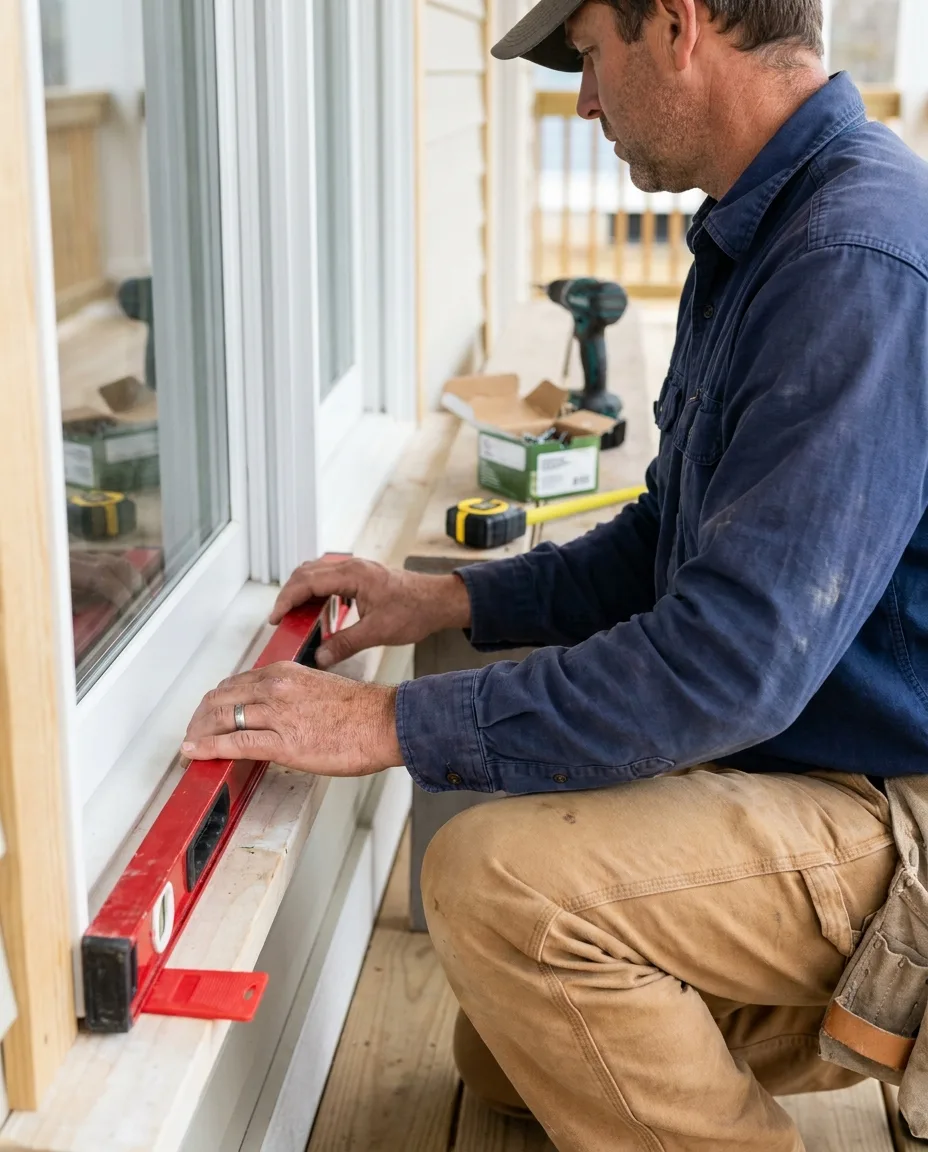
- The new unit is dry-fit, then shimmed level, plumb and square
- It's fastened per the manufacturer's schedule
- The gap between frame and rough opening is insulated and sealed
- Flashing detail, on full-frame openings
- Interior and exterior trim
- Caulk, then operation is tested
4. If something is found
Rot in a sill, a header that was never right, failed flashing. It happens, and it's the main reason a job can change price mid-stream.
What should happen: the crew stops, photographs it, and you get a price before anyone proceeds. What shouldn't happen: you find out on the final invoice.
5. Cleanup and haul-away
Old windows, packaging and debris leave with the crew the same day. Work areas get vacuumed. You shouldn't be finding shims and glazing scraps in the flower beds next week.
6. Final walk-through
Go window by window with the installer:
- Open and close every single one. All the way, both sashes on a double-hung.
- Lock every one. The lock is what pulls the sash tight — a window that doesn't lock easily isn't sealing.
- Look at the caulk lines inside and out.
- Check the trim for gaps and finish.
- Confirm the screens are all there and fit.
How long it takes
| Job size | Typical duration |
|---|---|
| 1 – 4 windows | Half a day |
| 5 – 12 windows, inserts | One day |
| 12 – 18 windows, inserts | One to two days |
| Full-frame replacement | 2 – 4 hours per opening |
| Pre-1978 home with lead containment | Add roughly 30% |
After installation
You'll get your warranty paperwork — ours is a lifetime warranty covering material and labor, which is the distinction worth checking on any quote you're comparing.
Give the caulk a few days to cure fully before washing the windows. And if anything sticks, rattles or doesn't seal right in the first weeks, call. That's what the labor warranty is for, and small adjustments are normal as a house settles around new units.
Questions before you book?
We're happy to walk through the specifics for your house — the number of openings, the likely duration, and what we'd expect to find.
Get a free estimate, or call and ask for the installation lead.