Short answer
Sometimes. A storm door earns its cost when it is protecting an older or wood entry door, when the entry takes direct sun and driving rain with no cover, or when you want screened ventilation. It is usually not worth it on a new insulated fiberglass door under a deep covered porch, where it adds cost, adds a second thing to maintain, and can trap heat against the door face.
Sometimes. A storm door is worth the money when it is protecting something — an older or wood entry door, an entry that takes sun and driving rain with no cover, or a house where you actually want screened ventilation in spring and fall. On a new insulated fiberglass door under a deep covered porch, it usually is not worth it, and in some situations it can work against the door it is sitting in front of.
That is a less satisfying answer than "yes, always," but it is the accurate one. A storm door is a tool with specific jobs. If your entry has one of those jobs, it is a good buy. If it does not, you are buying a second door to clean, a closer to adjust and a screen to patch.
What does a storm door actually do?
Strip away the marketing and a storm door does four things:
- Shields the entry door from weather. Rain, sleet, UV and wind-driven grit hit the storm door instead of your finished door face.
- Adds screened ventilation. With the glass panel out or the retractable screen down, you can open the entry door and get airflow without opening the house.
- Adds an air gap. A closed storm door creates a small buffer of still air in front of the entry door, which cuts drafts on a leaky old door.
- Adds a second lockable barrier. Not a security door, but one more thing between the porch and your living room.
Notice what is missing from that list: nothing about improving a modern, well-sealed door. If your entry door is a current insulated fiberglass or steel unit with intact weatherstripping and a good threshold, the storm door is not fixing an air leak, because there is not much of one to fix.
When is a storm door genuinely worth it?
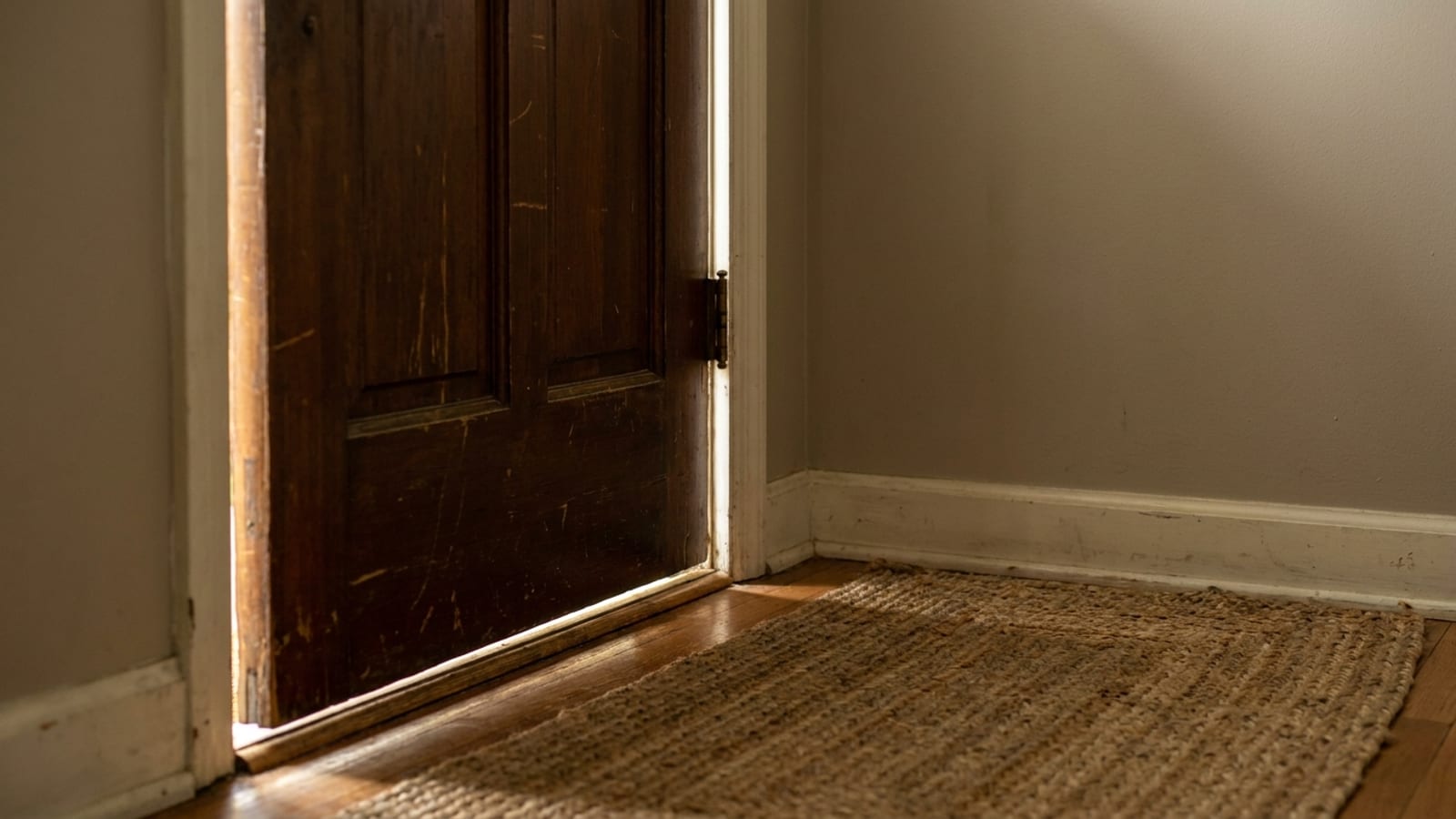
You have an older door, especially wood
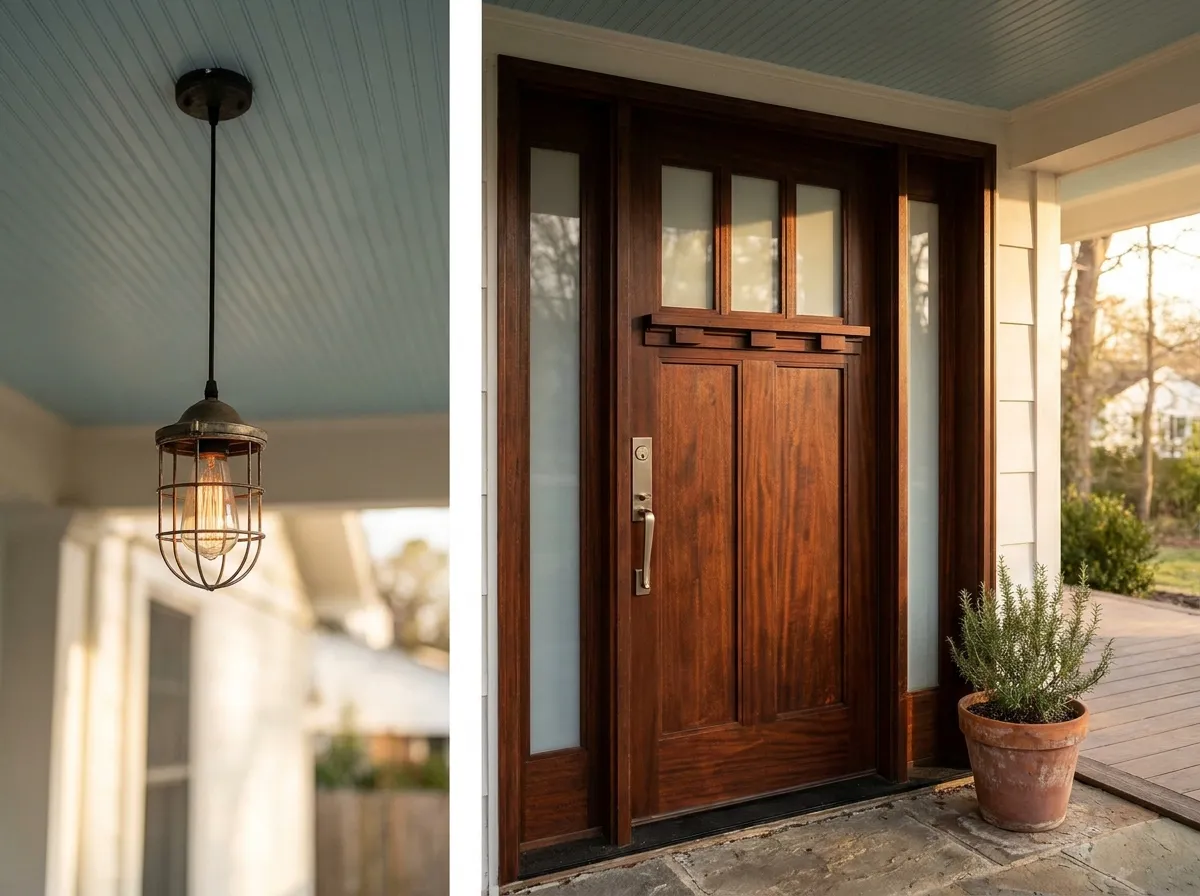
This is the strongest case. Wood doors move with humidity, and every season of direct rain and sun shortens the life of the finish. A storm door takes that beating instead. If you have a wood entry door you like and want to keep — original to a Chattanooga bungalow, a stained six-panel you are not ready to replace — a storm door is the cheapest way to extend it.
The same applies to an aging steel door. Steel is strong and well insulated, but once the finish is compromised it can rust. Keeping direct weather off it matters.
The entry has no cover over it
Walk outside and look up. If there is no porch roof, no overhang, no awning — just a door in a wall — that door is taking everything. Rain runs down the face and sits at the threshold. Afternoon sun bakes it. A storm door is doing real protective work in that situation.
You want the ventilation
This one is about how you live, not about physics. Plenty of homeowners in Tennessee, North Georgia and Northeast Alabama want the front door open on an October evening. If that is you, a ventilating storm door is worth having and you do not need any other justification.
The current door is drafty and replacement is not happening this year
If the entry door is old, leaky and staying put for a couple more years, a storm door will take the edge off. It is a stopgap, not a fix — but it is a legitimate stopgap.
When is a storm door not worth it?
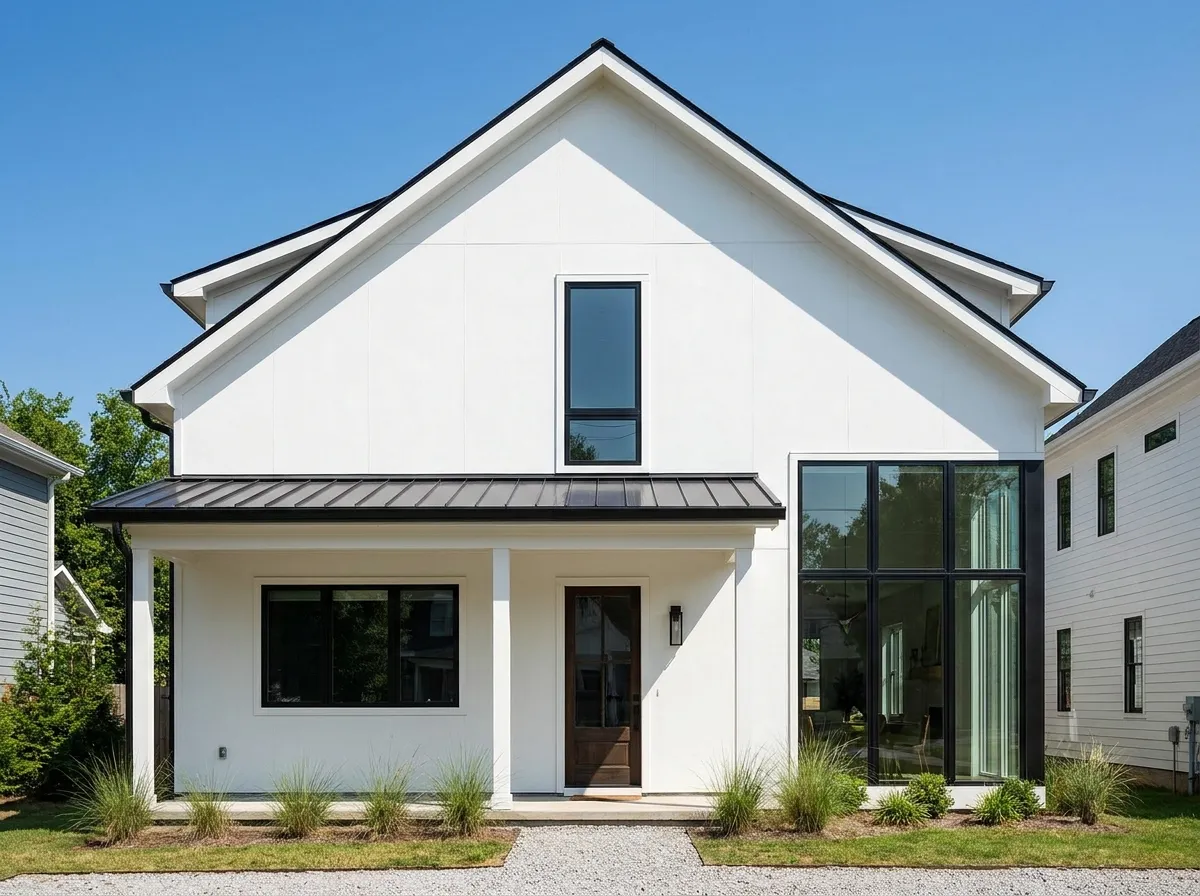
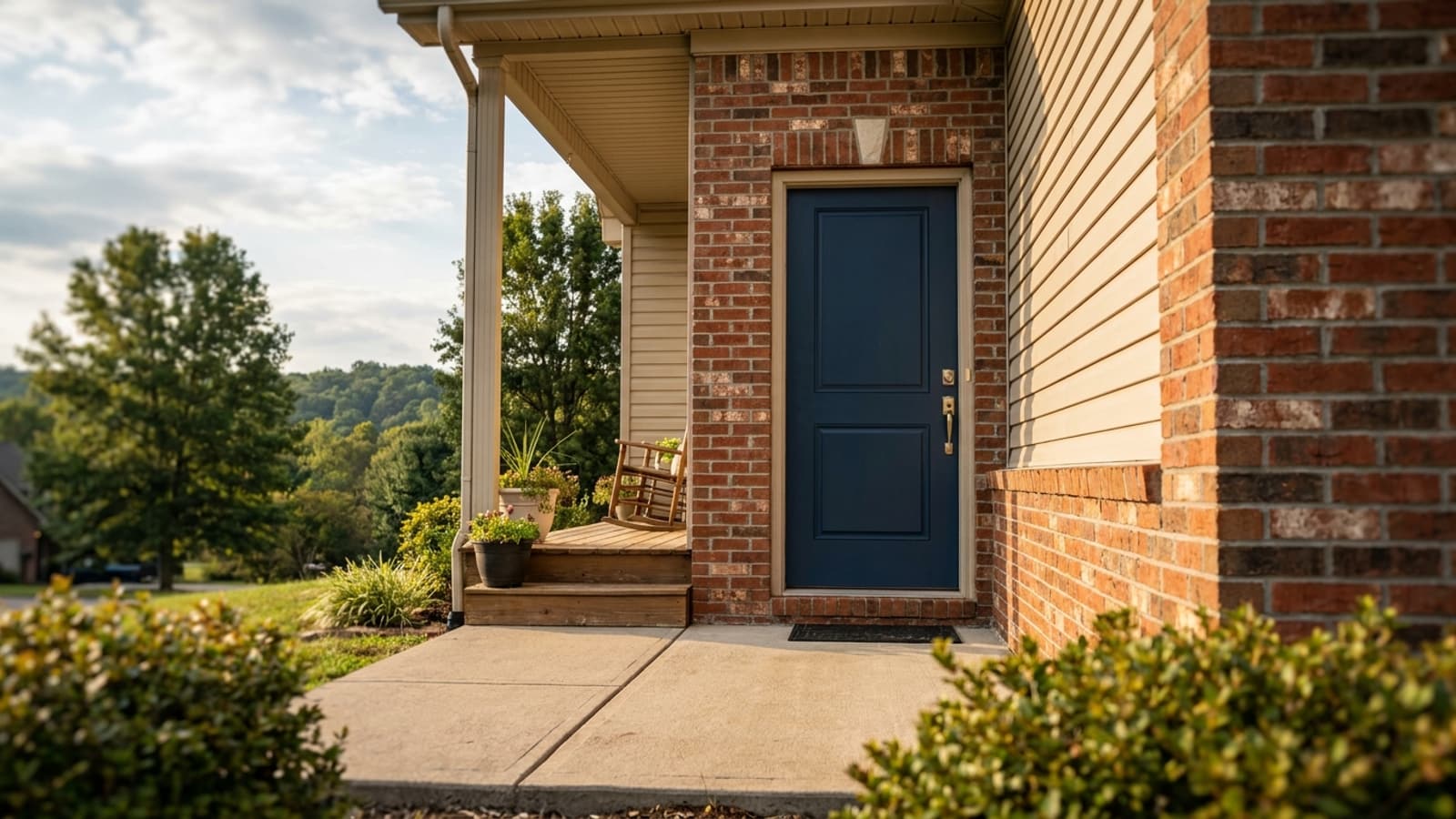
A new insulated door under a deep covered porch
If you just put in a fiberglass entry door and it sits under six feet of covered porch, the storm door has almost nothing to protect against. The porch already blocks the rain and most of the sun. The new door already seals. You are adding cost and a maintenance item for a marginal benefit.
A dark door on a sun-drenched elevation
This is the case where a storm door can actively hurt. A full-glass storm door in front of a dark-colored door on a south- or west-facing wall behaves like a small greenhouse. Solar heat comes through the storm door glass, hits the dark door face and has nowhere to go. Surface temperatures climb well beyond what the door sees in open air, and that heat is hard on finishes and on some door materials.
This is well enough understood that many door manufacturers publish guidance limiting or excluding finish coverage when a full-glass storm door is installed over a dark door in direct sun. Before you put one on, read the guidance for your specific door. If you want a storm door in that spot anyway, a ventilating model that lets you drop the screen — and actually dropping it in summer — is the safer configuration.
A wide-open, windy entry with no wind protection
Storm doors and gusts do not get along. On an exposed entry with nothing blocking the wind, a storm door needs a properly sized closer and a wind chain, and it still takes abuse. It can be done, but budget for hardware that is up to it.
You already do not use your front door
Half the houses we walk into enter through the garage. If the front door opens six times a year, a storm door in front of it is a purchase looking for a purpose.
Where does a storm door help, and where does it not?
| Situation | Worth it? | Why |
|---|---|---|
| Wood entry door, uncovered entry | Yes | Direct protection of a finish that will otherwise fail early |
| Old, drafty door staying a few more years | Yes | Meaningful draft reduction as a stopgap |
| You want screened ventilation | Yes | The ventilation is the whole point |
| Aging steel door taking weather | Yes | Keeps water off a surface that can rust |
| New fiberglass door, deep covered porch | Usually no | Little left to protect against |
| Dark door, full sun, full-glass storm door | Use caution | Trapped heat can affect the finish; check manufacturer guidance |
| Front door rarely used | No | Cost and maintenance without a job to do |
What types of storm doors are there?
| Type | Glass coverage | Best for |
|---|---|---|
| Full-view | Glass top to bottom | Showing off a decorative entry door; maximum light |
| Ventilating / retractable screen | Glass with a screen that slides or rolls down | Homeowners who actually want airflow; most flexible |
| Mid-view | Glass upper, solid lower panel | Households with kids and dogs; the kick area takes the hits |
| High-view | Small glass area, mostly solid | Heavy-traffic and utility entries |
The practical split is between doors where you swap a glass panel for a screen by hand and doors with a screen built in. Swappable panels cost less and need somewhere to store the panel you are not using. Built-in retractable screens cost more and get used far more often, because using them takes two seconds instead of twenty minutes.
What does a storm door cost?
Exterior door projects with Patriots' Pride run $3,973 to $7,500 installed, and that range covers entry, patio, French and storm doors. A storm door added alongside an entry door replacement shows up as its own line item on the quote, so you can see what it costs and decide with a number in front of you instead of a hunch.
That is the point of an itemized estimate. If the storm door is worth it for your entry, you will see the price and say yes. If it is not, you will see the price and skip it, and nothing about the rest of the job changes.
For larger door and window projects, GreenSky financing includes no-interest options if paid in full within 6, 15 or 18 months, plus fixed-rate terms, with zero down for most approved homeowners.
Does a storm door lower your power bill?
A little, on a bad door. A lot, on nothing. The air gap a closed storm door creates does reduce drafts and heat transfer through a leaky old entry — that is a real effect and you can feel it standing in the doorway in January. But an entry door is a small piece of your exterior envelope compared with your windows and walls, so even a good result there is a modest line on a utility bill.
If a drafty front door is the symptom, the durable fix is a properly installed insulated door with weatherstripping that seals and a threshold that meets it. The storm door is a supplement to that, not a substitute for it.
How do you decide?
Ask yourself four questions in this order:
- Is there a cover over the entry? No cover pushes toward yes.
- What is the entry door made of and how old is it? Wood or aging steel pushes toward yes; new fiberglass pushes toward no.
- Which way does the entry face, and what color is the door? Dark door plus west or south exposure means either skip the full-glass model or plan to run the screen in summer.
- Will anyone actually use the ventilation? Be honest. If yes, get one with a built-in screen.
If three of those four point the same direction, you have your answer.
Whichever way it goes, what we install is covered in writing — material and labor both, under The Patriot's Promise, with the terms spelled out before you sign rather than after.
What is the next step?
Have us look at the actual entry. The estimator measures the opening, checks the exposure and the existing door, shows you the storm door options that fit, and gives you one itemized price — the entry door on one line, the storm door on another, so you can take it or leave it. There is no trip charge inside our service area.
Request a free in-home estimate or call (423) 830-7138.