Short answer
Black window frames are worth it if you like the look and the frame material is chosen for the sun that elevation actually takes. Dark exterior finishes absorb more heat than white, which is why fiberglass and composite frames are the safer pick on south- and west-facing walls, and why the upgrade usually adds cost over a standard white vinyl frame. On a shaded or north-facing elevation, or on the interior side only, black is a straightforward choice with very little downside.
Black window frames are worth it when you genuinely like the look and the frame is specified for the sun that wall takes. The design appeal is real and it is not going away quickly, but a dark exterior finish behaves differently on a west-facing wall in July than a white one does, and the right answer depends on material, elevation and how much of the house you want to commit to.
This is a straightforward decision once you separate the four things that actually matter: heat, material, where the color goes, and what it costs. Everything else is preference.
Why do black window frames look so good on so many houses?
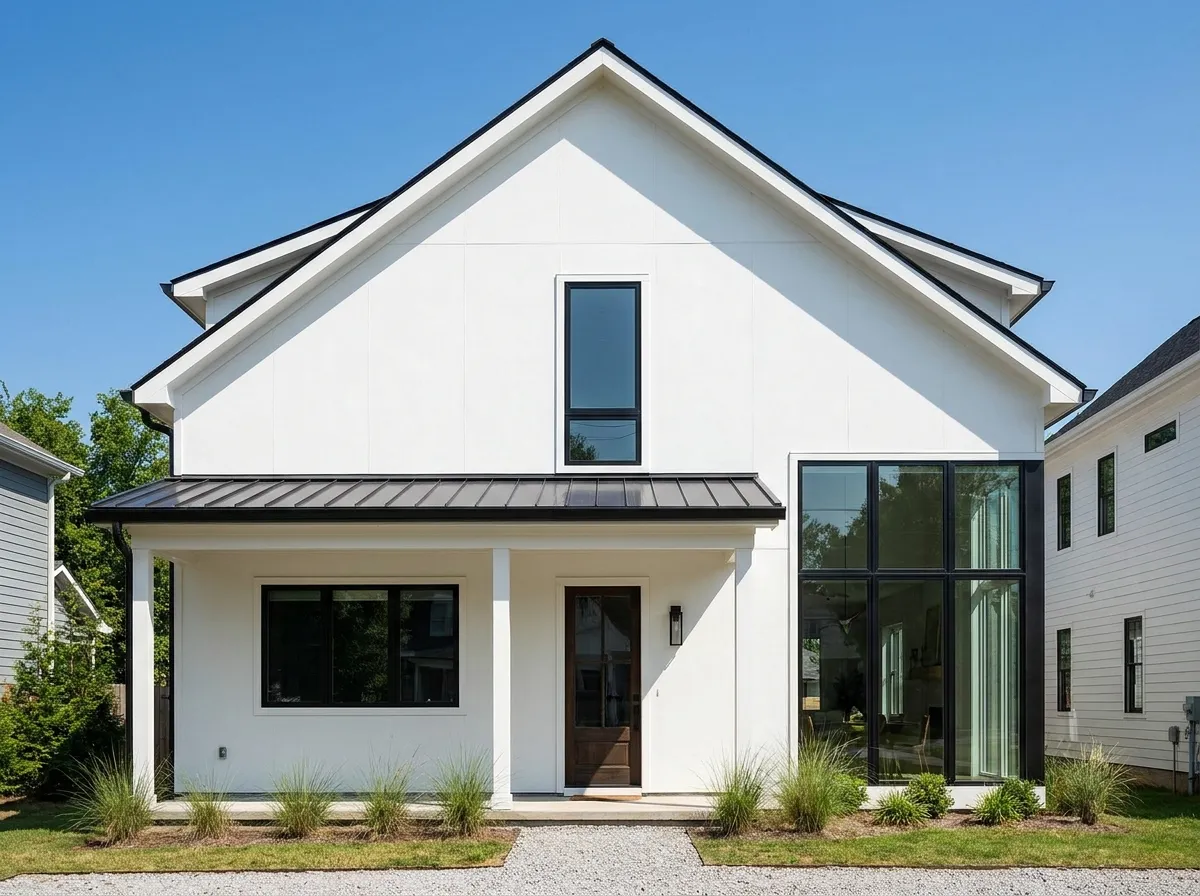
A dark frame does one thing visually that a white frame cannot: it disappears, and the glass reads as a clean opening in the wall. White frames draw the eye to the frame. Black frames draw the eye through it. That is why they work so well on modern farmhouse, black-and-white exteriors, brick, and anything with a strong roofline you want the windows to line up with.
Inside, black frames outline the view like a picture frame and pair well with dark hardware, matte black plumbing fixtures and dark cabinetry. On a wide picture window or a stack of casements, that outlined effect is the whole point.
If you are already pricing replacement windows, the color conversation is worth having at the same time as the material conversation, because on some elevations the two are linked.
Do black window frames get hotter than white ones?
Yes. A dark surface absorbs more solar energy than a light one. Put a black frame and a white frame side by side in direct August sun in Chattanooga or metro Atlanta and the black one will measure meaningfully warmer to the touch.
What that means practically depends on the frame material:
- Vinyl expands and contracts more with temperature than other frame materials. That is fine in white; in a dark color on a full-sun elevation it is the material working hardest.
- Fiberglass expands and contracts very little with temperature and holds paint and factory finishes well. This is exactly why it is the material we point to for dark exterior colors.
- Composite sits between the two and is a solid middle option depending on the product line.
- Aluminum-clad wood handles dark exteriors well on the outside, with a wood interior that can be finished separately.
Our standing guidance on vinyl versus fiberglass has three cases where fiberglass earns the upgrade: very wide or tall openings, dark exterior frame colors, and where you want the narrowest possible frame for maximum glass. Black frames land squarely in case two. That is not a reason to avoid black — it is the reason to talk about material before you pick the color.
Does the elevation change the answer?
It does, and this is the part most homeowners never get told. A north-facing wall shaded by mature trees takes a fraction of the solar load that an unshaded west wall takes. The same black frame is a different proposition on each.
Our whole service area sits in the ENERGY STAR South-Central climate zone, where a qualifying window needs a U-factor of 0.28 or lower and an SHGC of 0.23 or lower. In this climate SHGC — how much solar heat passes through the glass — matters more than squeezing the U-factor further, because our load is cooling, not heating. We spec glass by elevation for that reason, and the frame finish belongs in the same conversation. Black on the shaded side of the house and black on the afternoon-sun side are two different specs even if they look identical from the street.
Should the black go on the outside, the inside, or both?
This is the cheapest decision on the list and the one that changes the house the most.
| Configuration | What it does | Best for | Cost effect |
|---|---|---|---|
| Black exterior, white interior | Curb appeal without dark frames in every room | Most homeowners; bright interiors | Lowest of the black options |
| Black exterior, black interior | Full designed look, frames outline the view | Modern farmhouse, open plans, dark trim | Highest |
| White exterior, black interior | Frames the view, keeps a light exterior | HOA or historic-district exteriors | Moderate |
| All white | Baseline | Traditional exteriors, tight budgets | Baseline |
A two-tone build — dark outside, light inside — is the most-ordered version for a reason. It gets the exterior effect that people are actually after while keeping rooms bright, and it avoids committing bedrooms and hallways to a dark frame you may tire of before the windows do.
One caution on interior black: it shows dust and it makes small windows look smaller. On a large picture unit it looks intentional. On a narrow bathroom window it can look heavy.
What do black window frames cost compared with white?
Replacement windows in our market run $700 to $2,200 per window installed. A dark exterior finish is a factory option, and where it lands within that range depends on the product line and on whether the color pushes you from vinyl into fiberglass or composite.
Two separate cost items get confused here:
- The color option itself. On most lines this is a modest upcharge over standard white, applied per unit.
- The material change, if any. Moving from vinyl to fiberglass runs roughly 40 to 60 percent more per window. That is the larger number by far.
So a homeowner adding black frames to a shaded elevation in a vinyl line is making a small change to the total. A homeowner putting black frames on an unshaded west wall and moving to fiberglass to do it right is making a real one. Both are legitimate. They should just be priced as what they are, itemized, so you can see which part of the increase is the color and which part is the material.
If the number lands above what you planned to spend this year, financing through GreenSky includes no-interest options if paid in full within 6, 15 or 18 months, plus fixed-rate terms, with zero down for most approved homeowners.
Which house styles do black windows actually suit?
Black frames are not universal, and pretending otherwise leads to regret.
They work well on:
- White, light gray or greige siding — the contrast is the entire look
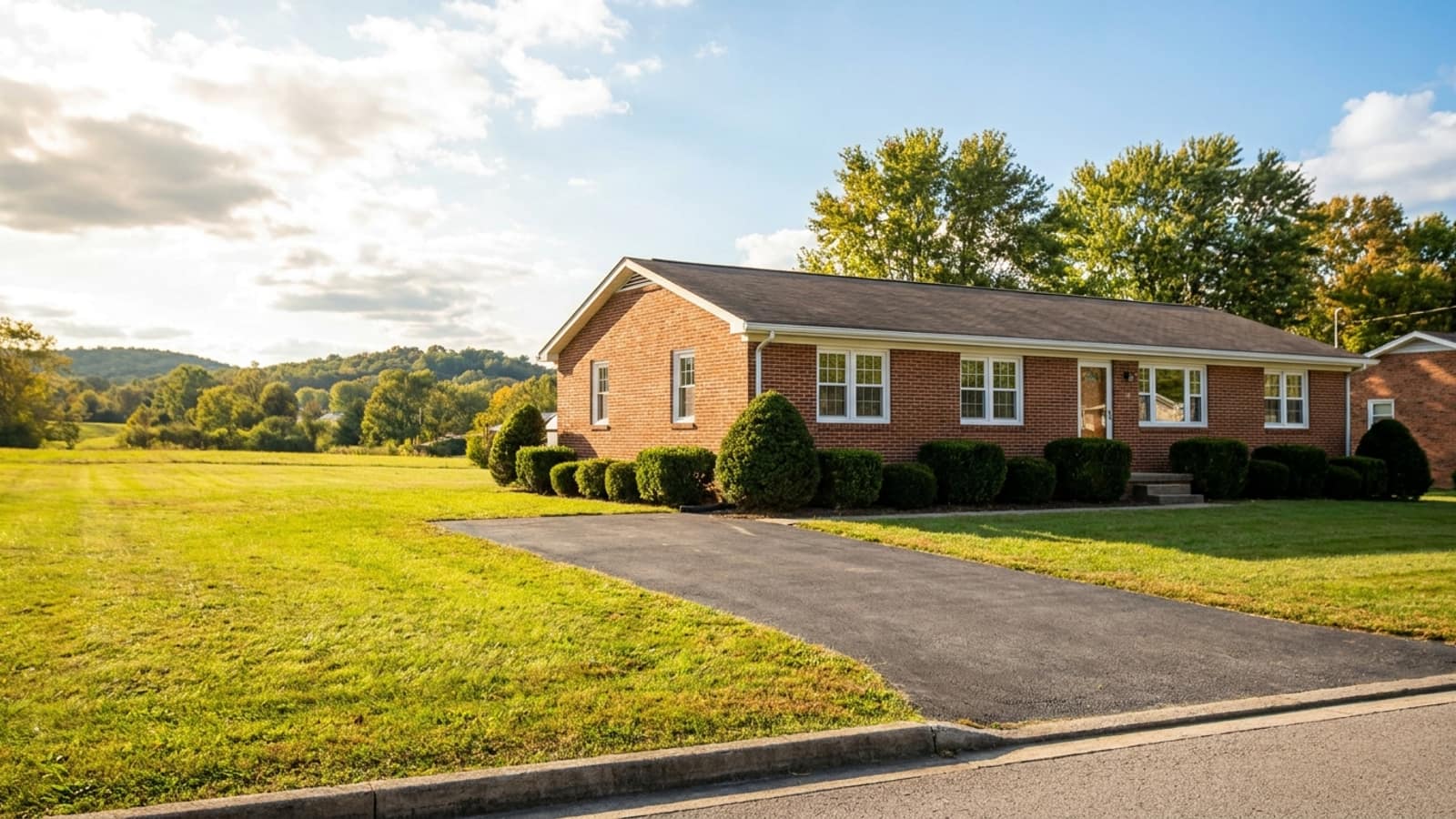
- Red and dark brown brick, where black reads as trim rather than as a competing color
- Board-and-batten and modern farmhouse elevations
- Homes with black gutters, black shutters, black exterior lighting or a dark roof already in place
They fight the house on:
- Beige, tan or cream siding with brown trim, where black reads as a mismatch rather than a contrast
- Homes with heavy white decorative trim around every opening, where the frame color gets swallowed
- Neighborhoods and historic districts with color guidelines — check before you order, since a factory color is not something you change later
A useful test: stand across the street and look at the roof, gutters, door and shutters. If two or more of those are already dark, black windows will look like they belong. If everything is light and warm-toned, a bronze or dark clay frame often reads better than true black.
What should you ask before you sign for black frames?
Four questions, and they are quick:
- What frame material is this quote, and why that one for this elevation? The answer should reference which walls get direct sun.
- What are the U-factor and SHGC on the exact color I am buying? Ratings are for the assembly, and a dark version can differ from the white version of the same line.
- What does the manufacturer's finish warranty say about dark exterior colors? Read the color-retention language specifically.
- Does the labor warranty match the material warranty? Ours does — the Patriot's Promise covers windows for a lifetime on material and labor, transferable once and then prorated. A lifetime material warranty paired with a one-year labor warranty is a much weaker promise than it sounds.
We are manufacturer-direct on Andersen, MI, Polaris, Vinyl Max, Windsor, Sunrise and HGI, plus our own Patriot 3000 and 7400 series in vinyl and composite. That matters here because dark-color availability, finish quality and pricing vary line to line, and matching the right one to your elevation is easier when there is more than one on the table.
What is the next step?
Pick the elevation you care most about, decide whether you want the color inside, outside or both, and then let the material follow the sun exposure rather than the other way around. That order gets you the look without the compromise.
Schedule a free in-home estimate and we will measure your openings, show you the frame colors in person against your siding and brick, and give you one itemized number that separates the color option from the product line. The estimator measures, shows product and gives a price — no two-hour sit-down and no price that expires that night.